Fixing GitHub Profile Trophy Issue in Jekyll al-folio 🏆
If you’ve tried using GitHub Profile Trophy in your Jekyll al‑folio site, you may have noticed that the default API endpoint (https://github-profile-trophy.vercel.app) sometimes fails due to request limits. The fix? 🚀 Deploy your own instance on Vercel with a Personal Access Token (PAT). This guide walks you through the process step by step.
Step 1: Get Your Personal Access Token (PAT)
To run your own instance, you’ll need a GitHub Personal Access Token. This ensures smooth API requests and allows private contributions to be displayed.
Classic Token
- Go to Settings → Developer Settings → Personal access tokens → Tokens (classic).
- Click Generate new token → Generate new token (classic).
- Select scopes:
reporead:user
- Click Generate token and copy it.
Fine-Grained Token
⚠️ Warning: Fine-grained tokens only include public commits and limit scope to issues.
- Go to Settings → Developer Settings → Personal access tokens → Fine-grained tokens.
- Click Generate new token → Generate new token.
- Select an expiration date.
- Choose All repositories.
- Under Repository permissions, set:
- Commit statuses: read-only
- Contents: read-only
- Issues: read-only
- Metadata: read-only
- Pull requests: read-only
- Click Generate token and copy it.
Step 2: Deploy on Vercel
🎥 Watch the step-by-step video tutorial by @codeSTACKr
Since GitHub’s API allows only 5k requests per hour, hosting on your own Vercel server removes this limitation.
💡 Note: On Vercel Pro, you can increase
maxDurationinvercel.jsonif requests frequently time out. Keep it below 30 seconds to avoid high memory usage.
👉 Before deploying, fork bmfatiur/github-profile-trophy.
Step 3: Set Up Your Vercel Instance
🔧 Step-by-step guide
1. Go to [vercel.com](https://vercel.com/). 2. Click **Log in**. 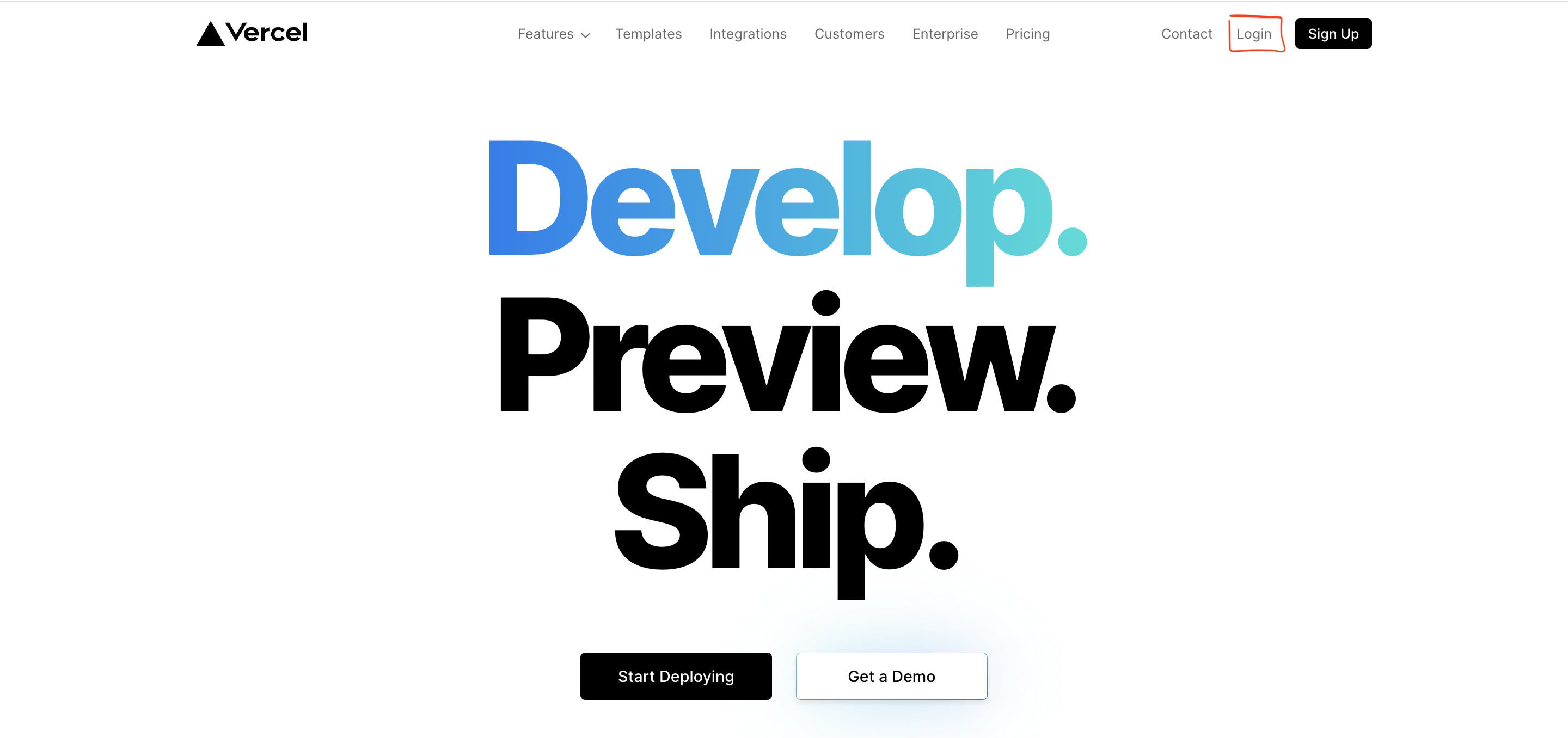 3. Sign in with GitHub → **Continue with GitHub**. 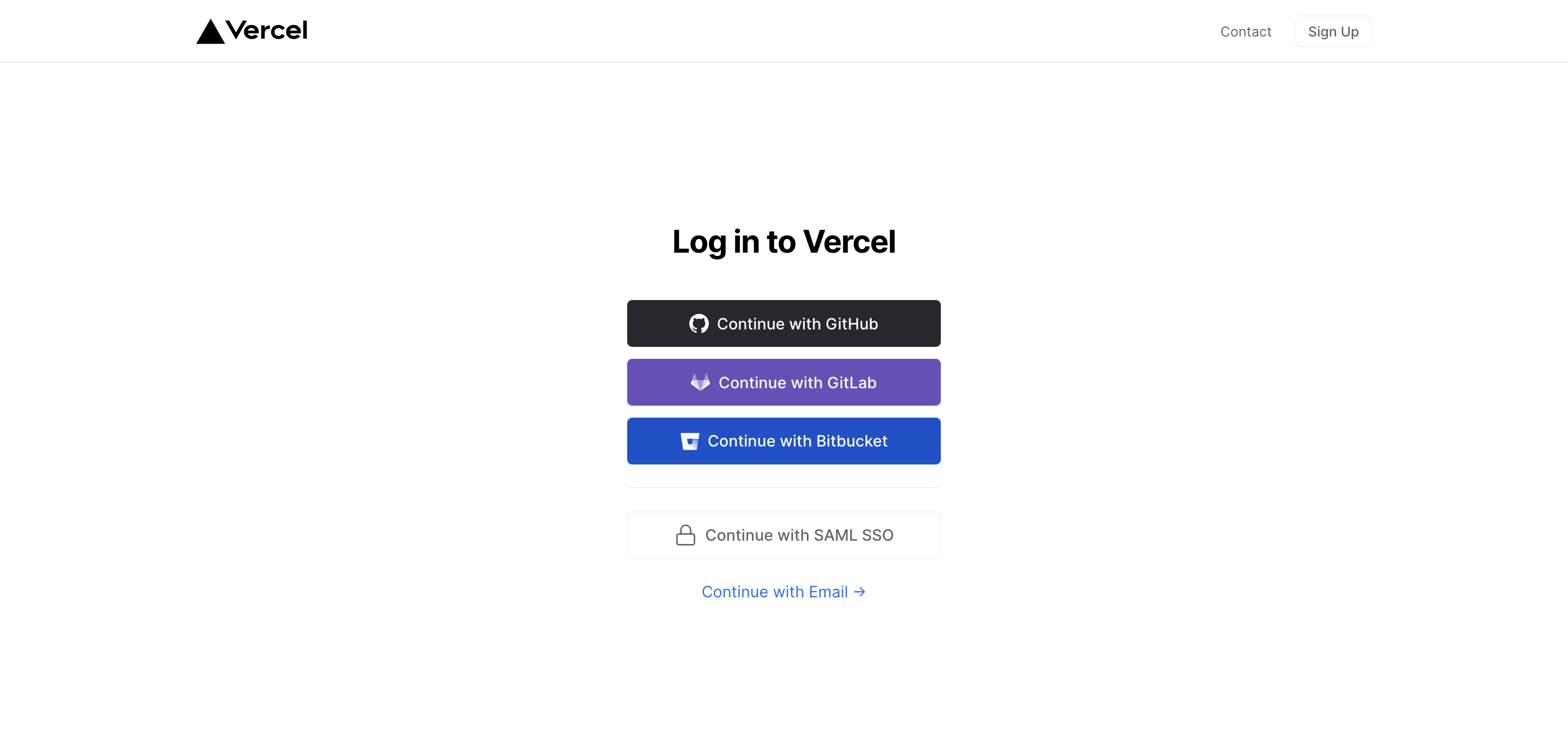 4. Allow GitHub access to repositories if prompted. 5. Fork the repo. 6. Go to your [Vercel dashboard](https://vercel.com/dashboard). 7. Click **Add New → Project**. 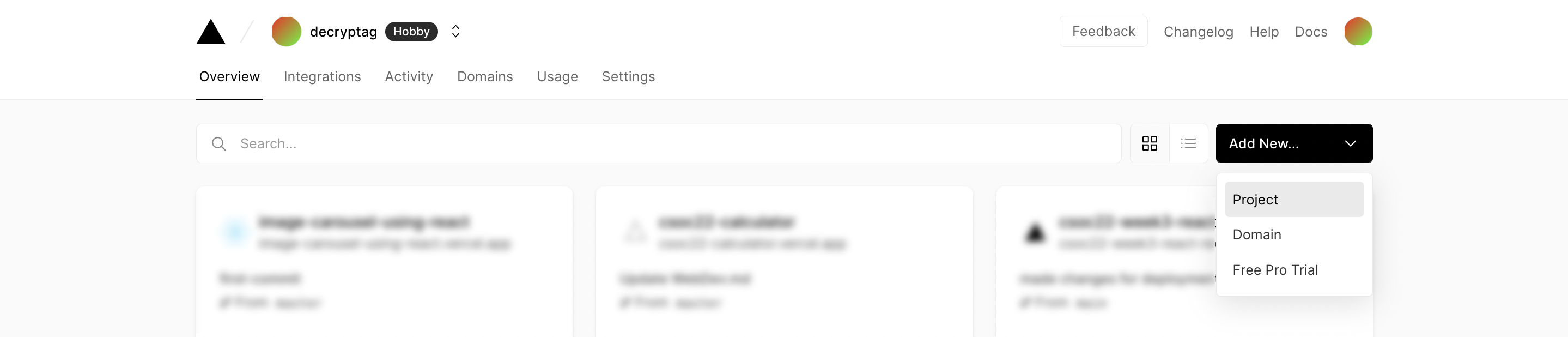 8. Import the forked repo via **Continue with GitHub → Import**. 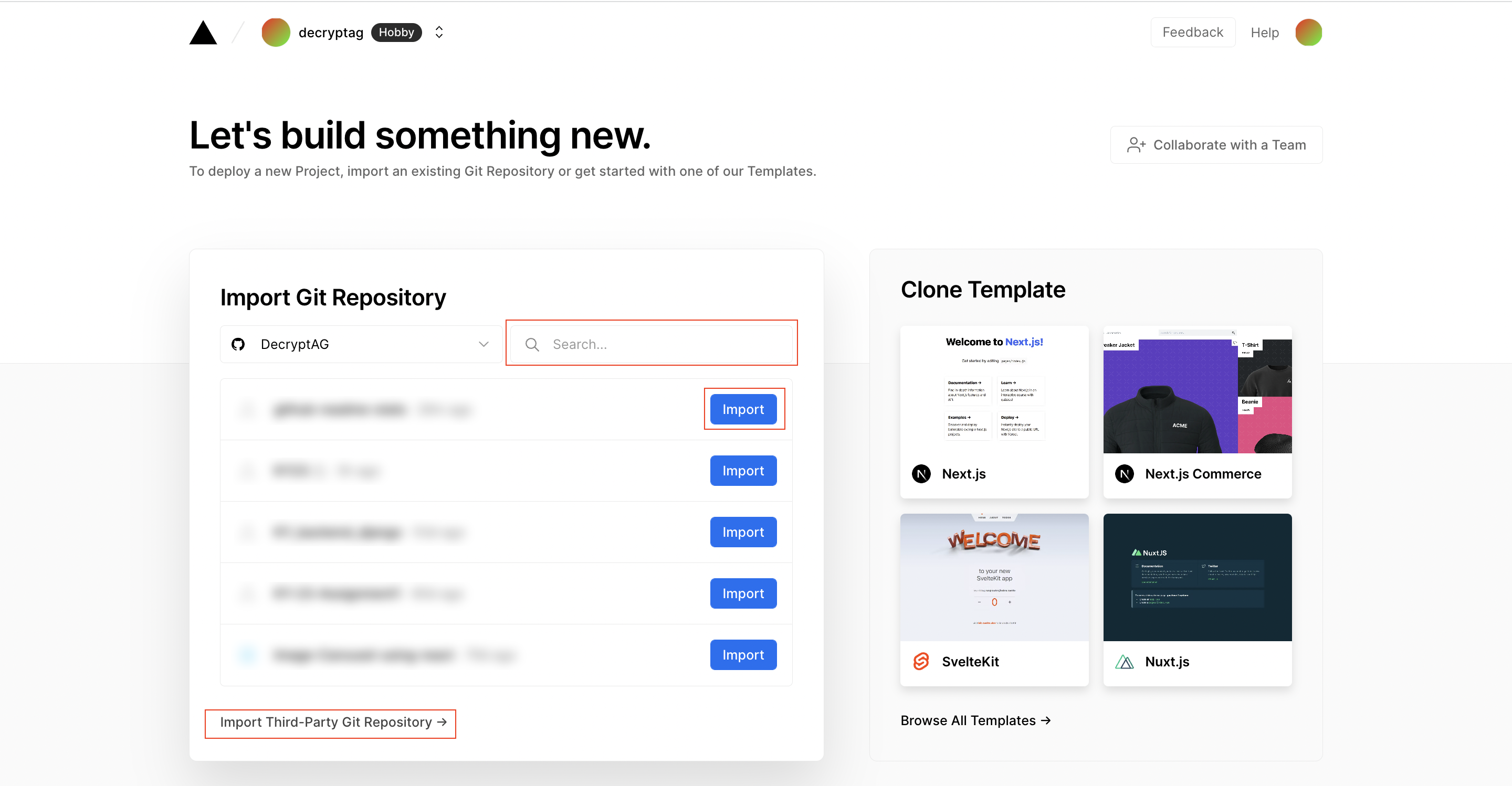 9. Create a PAT (see [Step 1](#step-1-get-your-personal-access-token-pat)). 10. Add the PAT as an environment variable named **`GITHUB_TOKEN1`**. > ⚠️ Important: Use `GITHUB_TOKEN1` (not `PAT_1` as shown in this screenshot). > 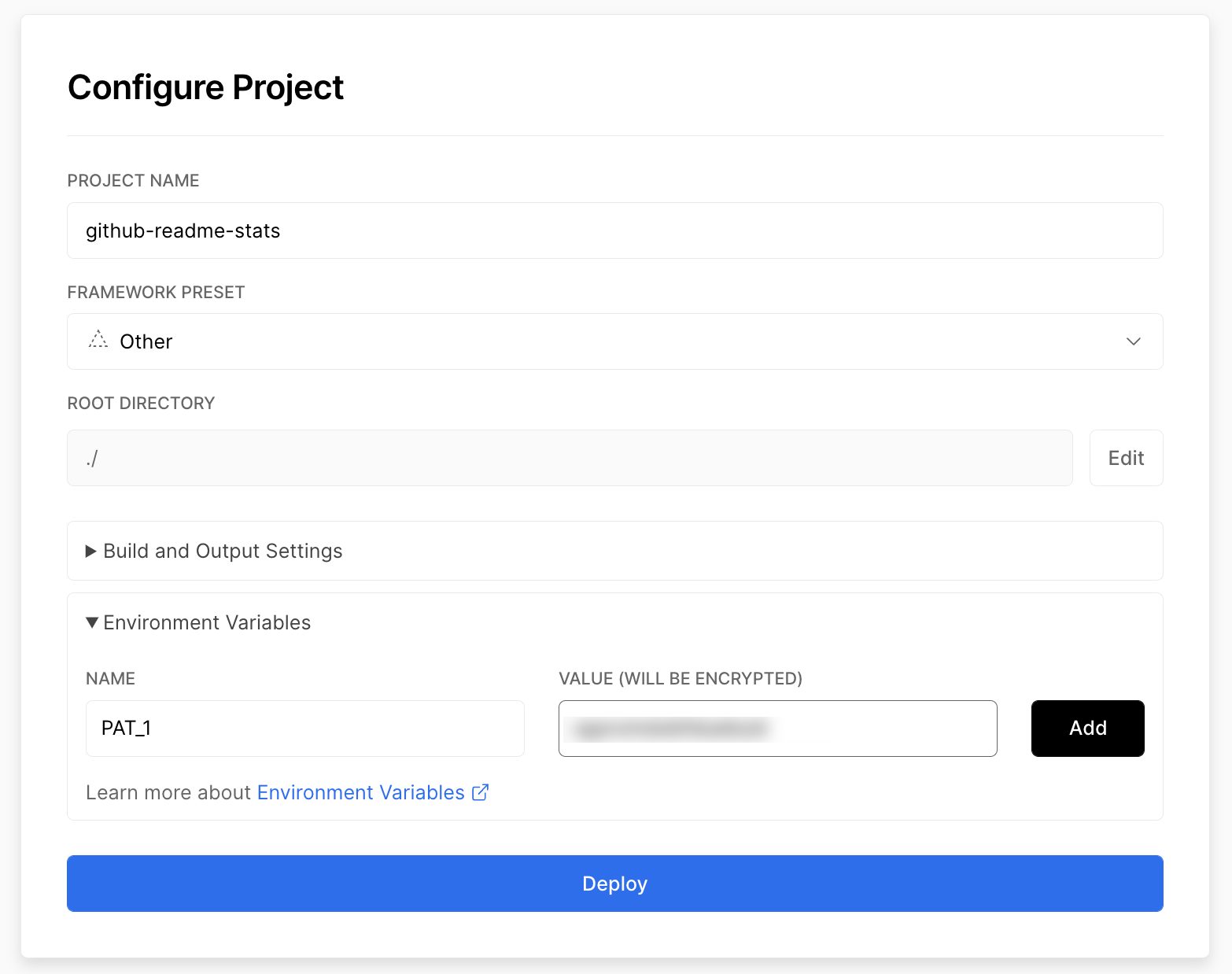 11. Click **Deploy** → check your domains to use the API.Step 4: Update al-folio Includes
Finally, update your al‑folio repo:
_includes/repository/repo_trophies.liquid
Replace all instances of:
https://github-profile-trophy.vercel.app
with your deployed domain, e.g.:
https://github-profile-trophy-theta-pink-91.vercel.app
That’s it 🎉! Your GitHub Profile Trophy cards should now render correctly in al‑folio without hitting API limits. With your own Vercel deployment, you’ll enjoy smoother performance and reliable stats — InshaAllah.
Enjoy Reading This Article?
Here are some more articles you might like to read next: